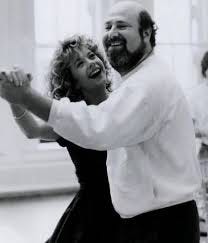
Thank you, Rob Reiner
Baby Fish Mouth, forever

Sunday morning, at 6 am, my partner called to me from the living room.
“What is it?” I asked. “Just come here.”
There was mischief in that voice. I shuffled in half-dressed, hair wild, and stopped in my tracks. Thick snow was pouring from the sky, piling onto the fire escape outside my window. Much to my partner’s sweet confusion, I started to cry, shockingly hard. All I could muster was the sentence:
“I worked so hard to get here.”
Here is, of course, New York. The one I had always pictured; first as a kid, then the snowy New York I used to lie awake and picture when trauma leveled me, the city becoming my North Star.
What was outside my window was this was the version from the movies. I was that thirty-something with salt-and-pepper hair, peering into brownstones and spotting the baby grand pianos inside. Noticing the way afternoon light that slants across windows. Jazz drifting in from nowhere. Hearing old Italian men yelling at each other like it’s an art form. Seeing two people bundled head to toe in winter coats, risking frostbite for a kiss on a park bench.
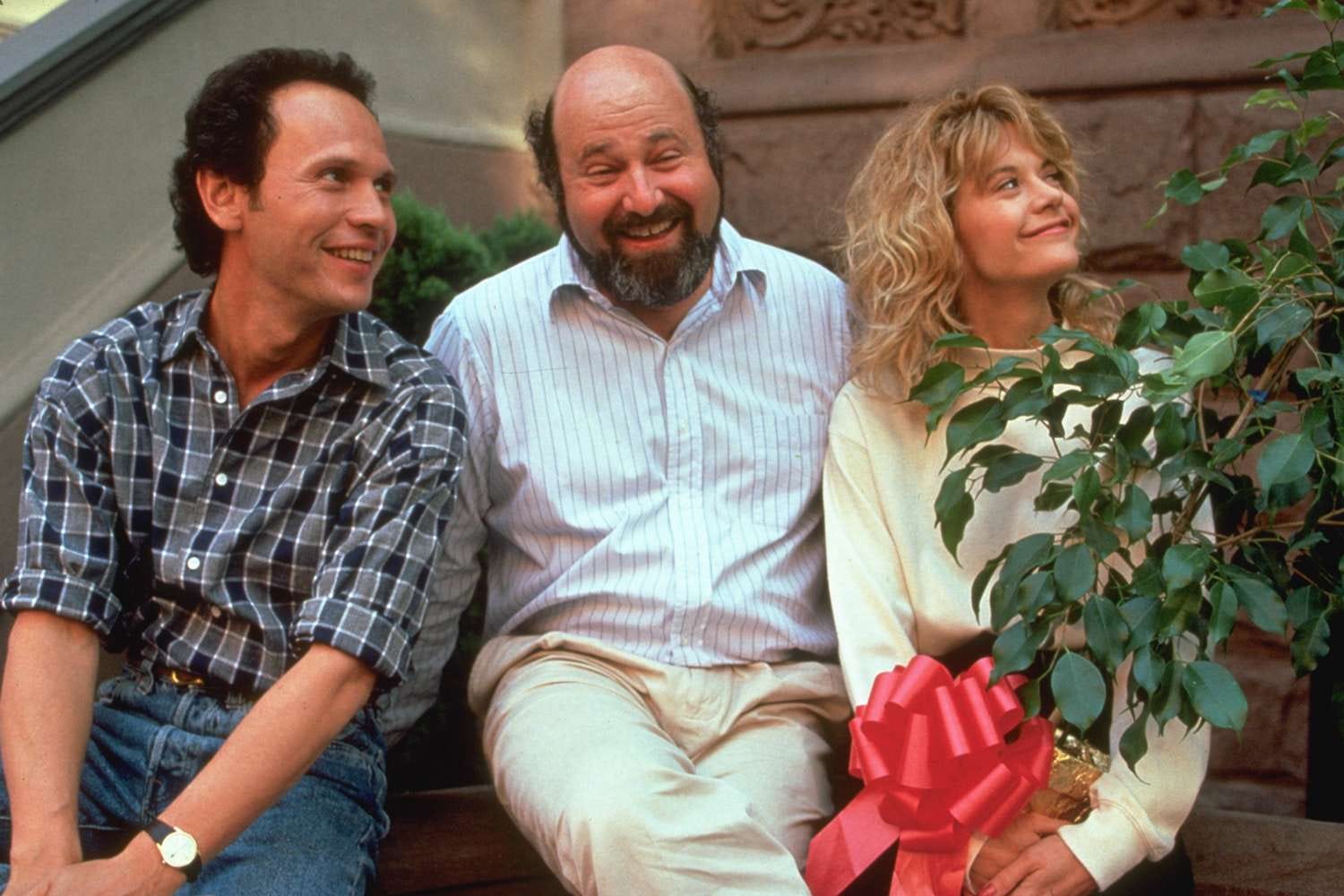
This is the New York I grew up loving. The New York handed down to me by artists and storytellers who taught me how to look. Among them, Nora Ephron, Norman Jewison, and, unmistakably, Rob Reiner.
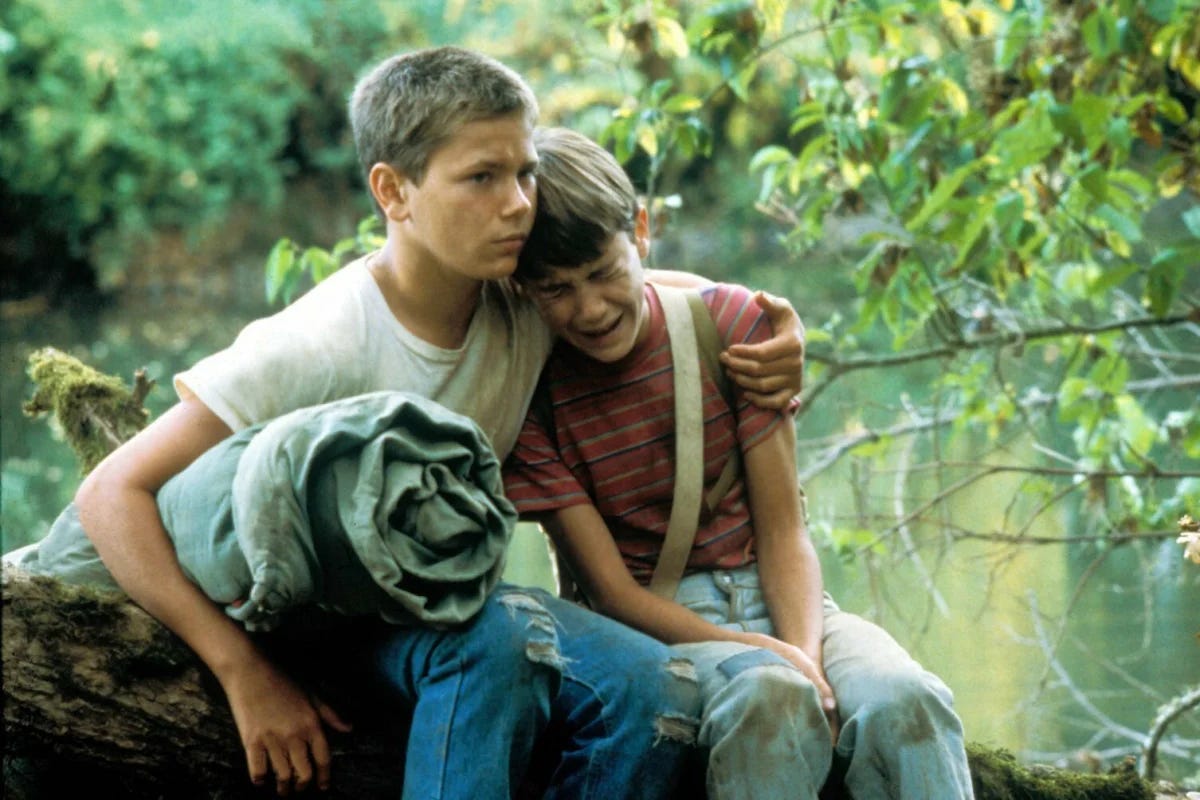
Rob Reiner’s films raised a generation of us. Stand by Me, a devastating coming-of-age story that correctly declared platonic love between boys as a great romance. The Princess Bride, which gave us fantasy without cynicism and humor without cruelty. And When Harry Met Sally, the quintessential American romantic comedy and, for me, one of the ancient texts.
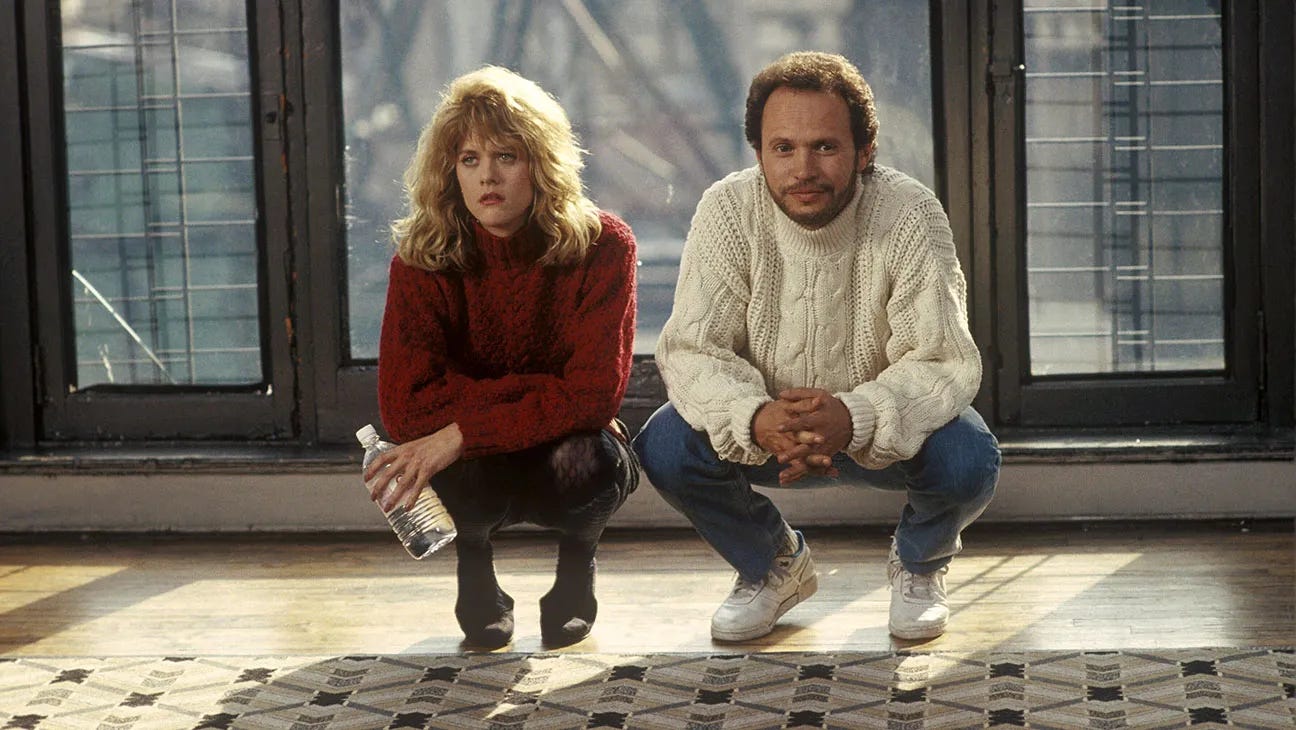
These films are so unmistakably about humanity. Because these movies loved their characters. In all their insanity, in every deeply human thing they did. And these characters really loved each other, warts and all. Harry loving everything about Sally’s neurotic ordering. Inigo Montoya devoting his life to finding his father’s assassin. River Phoenix’s Chris telling his best friend he wished he could have been his father, because he would be loved in the way he deserves to be.
These movies believe in connection. They make space for longing, for friendship, for flawed people who feel too much and say the wrong thing and keep showing up for each other anyway. There is always humor - but the humor never derives itself from cruelty. There is always tenderness. Always heart.
Beyond film, Rob Reiner lived with that same heart. He fought for human rights. He stood up to corporate power. He spoke out loudly and often against Trump. He was a man of action. He put his money where his mouth is. In every sense of the word, he was a mensch.
Public grief is strange, but for some reason, it doesn’t feel unnatural for Rob Reiner. I had the pleasure of meeting him a few times, but this grief that keeps breaching like a whale isn’t for the man I was lucky to be in the orbit of. This is the giant all of us knew. Grieving Rob Reiner can only be communal.
He built the worlds that raised us. He shaped our emotional vocabularies. His work became a shared memory, a common language. In his absence, he connected us, the thing he always made movies about, the thing he knew we needed the most. Imagine that legacy. His movies taught people how to talk, how to fight, how to forgive, how to fall in love. His movies made us love movies.
With Nora Ephron, Rob Reiner created the New York that lived in my imagination long before I arrived. The New York I worked so hard to return to. The New York I doubted at 36, asking myself why the hell I was moving across the country, again, chasing a feeling.
And there it was, at 6am, outside the fire escape that had held me through every moment of fear and hope.
There was Rob Reiner’s New York. And it was snowing.